

 See My Latest Article on HelloNation
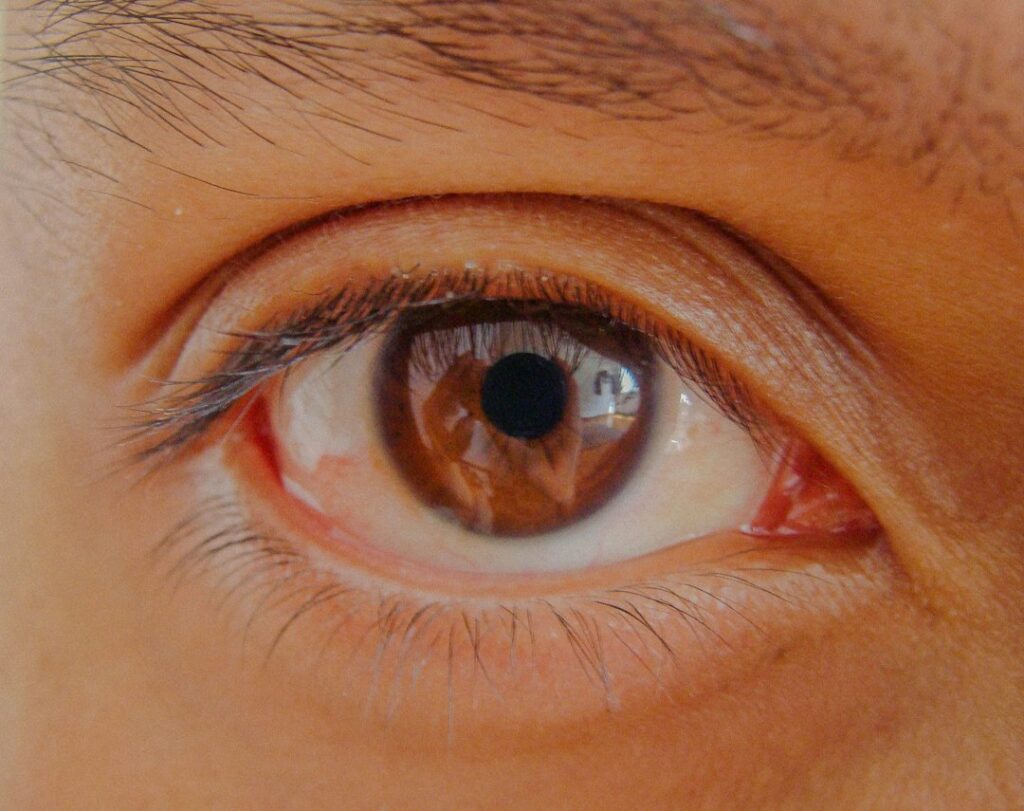
Eye allergies are an immune reaction that causes itching, redness, watering, and swelling in the eyes. The condition is also called allergic conjunctivitis and often occurs alongside nasal allergies such as sneezing, congestion, or an itchy throat.
Unlike infectious pink eye, eye allergies are not contagious. Symptoms can be seasonal, especially during periods of high outdoor pollen, or occur throughout the year because of indoor triggers such as dust mites, mold, or pet dander.
What causes eye allergies?
Eye allergies develop when the immune system reacts to a normally harmless substance. The reaction causes the release of histamine and other inflammatory chemicals on the surface of the eye.
Common triggers include:
- Tree, grass, and weed pollen
- Mold spores
- Dust mites
- Pet dander
- Household dust
- Smoke, strong fragrances, and other irritants
- Certain cosmetics or skin-care products
- Contact lenses or lens-cleaning solutions in some cases
Seasonal symptoms may become more noticeable during spring, summer, or early fall. In Kenosha, outdoor pollen, changing weather, wind, and damp conditions can all influence how much allergen is present in the air. Indoor heating during colder months may also circulate dust and dry the eye surface, making irritation feel worse.
What do eye allergies feel like?
The most characteristic symptom is itching. People with allergic conjunctivitis often feel an urge to rub their eyes, but rubbing can increase inflammation and may scratch the surface of the eye.
Other symptoms may include:
- Redness in the white part of the eye
- Clear, watery tearing
- Puffy eyelids
- Burning or stinging
- A gritty sensation
- Mild sensitivity to light
- Stringy mucus
- Dark circles or shadowing beneath the eyes
Eye allergies commonly affect both eyes. Symptoms may appear soon after exposure to a trigger and improve after the exposure ends. Some people experience repeated flare-ups rather than continuous discomfort.
Severe pain, thick discharge, marked light sensitivity, or a change in vision is less typical of a simple allergy and should not be dismissed as one.
How are eye allergies different from pink eye?
“Pink eye” describes inflammation of the conjunctiva, the thin tissue covering the white part of the eye. Allergies are one possible cause, but viruses and bacteria can also cause conjunctivitis.
Itching strongly suggests an allergic cause, particularly when both eyes are affected and the discharge is watery. Viral conjunctivitis may cause watery discharge but often follows a cold or respiratory infection. Bacterial conjunctivitis is more likely to produce thicker discharge that can make the eyelids stick together.
These patterns are not perfect, and different conditions can overlap. Antibiotic eye drops do not treat allergies or viral infections. Using leftover medication without knowing the cause can delay appropriate care or create additional irritation.
What can help relieve eye allergy symptoms at home?
The first step is to reduce contact with the suspected allergen. Helpful measures may include:
- Keep windows closed when outdoor pollen is high.
- Wear sunglasses or glasses outdoors to reduce exposure to airborne particles.
- Wash hands after outdoor activities and avoid rubbing the eyes.
- Change clothes and shower after spending extended time outside.
- Wash bedding regularly in hot water when dust mites are a concern.
- Reduce indoor dust and address visible mold or excess moisture.
- Use cool compresses over closed eyes for several minutes.
- Apply preservative-free artificial tears to rinse allergens from the eye surface.
- Pause contact lens use while the eyes are red, itchy, or irritated.

Cool artificial tears can be especially useful because they dilute allergens and soothe the surface of the eye. Refrigerating the drops is not necessary, but some people find chilled drops more comfortable.
Which medicines treat eye allergies?
Over-the-counter allergy eye drops may contain an antihistamine, a mast-cell stabilizer, or both. These medicines reduce itching and help prevent the allergic response. Some are intended for daily use during allergy seasons, while others are used only when symptoms occur. The label directions should be followed carefully.
Lubricating eye drops can help with watering, burning, and irritation, but they do not directly block the allergic reaction. Oral antihistamines may improve sneezing and nasal symptoms, although they can worsen dryness in some people.
Redness-relieving drops that constrict blood vessels may make the eyes look less red temporarily. They are not a good long-term solution because frequent use can lead to rebound redness or additional irritation.
Prescription treatment may be appropriate when symptoms are persistent, severe, or associated with asthma, eczema, or significant nasal allergies. Prescription anti-allergy drops are commonly used for ongoing control. Steroid eye drops may be considered for difficult cases, but they require medical supervision because improper or prolonged use can contribute to eye pressure problems, cataracts, infection, or other complications.
When should eye allergies be evaluated?
An eye evaluation is sensible when symptoms do not improve with basic avoidance measures and appropriate nonprescription treatment, or when the diagnosis is uncertain.
Prompt evaluation is especially important for:
- Moderate or severe eye pain
- Blurred or reduced vision
- Significant sensitivity to light
- A foreign-body sensation that does not go away
- Thick yellow or green discharge
- Symptoms in only one eye that are worsening
- Eye redness after an injury or chemical exposure
- Symptoms in a contact lens wearer
- A child who has intense rubbing, swelling, or light sensitivity
A medical examination helps distinguish allergies from dry eye, eyelid inflammation, infection, corneal problems, and other conditions that can look similar. An allergy evaluation may also help identify a recurring trigger when symptoms are difficult to control.
Can allergy shots help eye allergies?
Allergen immunotherapy, commonly called allergy shots, may help people whose eye and nasal symptoms remain troublesome despite avoidance and medication. Treatment gradually exposes the immune system to carefully measured amounts of a specific allergen.
This approach is not needed for every person with itchy eyes. It is generally considered when symptoms are recurring, the trigger is identifiable, and standard measures do not provide enough relief. The decision depends on the person’s overall allergy history and medical evaluation.
What is the most effective approach?
The most reliable strategy combines trigger reduction with appropriate symptom treatment. For occasional seasonal symptoms, limiting exposure, using cool compresses, and selecting an appropriate allergy eye drop may be enough. Frequent or persistent symptoms may require a more specific plan, particularly if dryness, contact lens use, asthma, eczema, or nasal allergies are also present.
The main warning sign is a symptom that does not fit the usual pattern of itchiness, watering, and mild redness. Pain, vision changes, substantial light sensitivity, or worsening symptoms should be treated as a reason to seek timely medical evaluation rather than assuming the problem is only an allergy.