

 See My Latest Article on HelloNation
What Is LASIK Surgery and Why Do People in Kenosha, WI Consider It?
LASIK is a form of laser eye surgery that’s designed to correct common vision problems like nearsightedness, farsightedness, and astigmatism. In the Kenosha community, people frequently explore this option as a way to reduce reliance on glasses or contact lenses, which can be especially appealing for those who enjoy the area’s outdoor activities throughout all seasons.
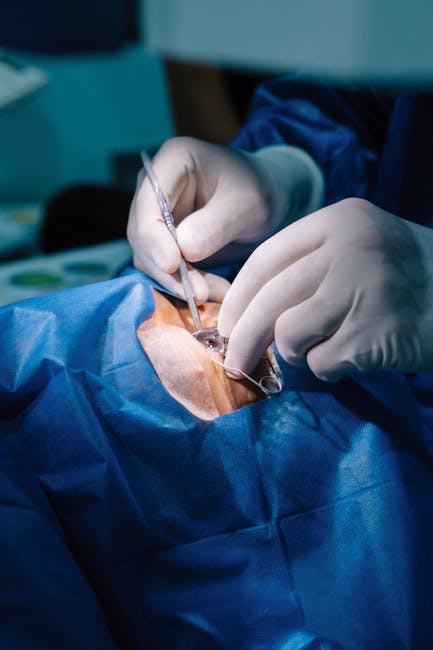
During the procedure, a special type of laser reshapes the cornea (the front part of the eye) to improve visual focus. The process is quick, typically done in under 30 minutes, and is performed as an outpatient procedure, meaning patients go home the same day.
Who Might Be a Good Candidate for LASIK in Kenosha?
A good candidate for LASIK is generally an adult with stable vision (no significant prescription changes in the last 12 months), healthy corneas, and no ongoing eye diseases. Individuals in Kenosha considering this surgery should also have realistic expectations about results.
Those with severe dry eye, significant corneal thinning, or certain autoimmune conditions may not be eligible. A comprehensive eye exam is needed to determine suitability. For area residents who require frequent vision changes due to environmental factors like seasonal allergies or outdoor work, these elements should be discussed during evaluation.
What Are the Typical Steps Before and After LASIK Surgery?
Before proceeding with LASIK, residents typically undergo a detailed eye exam. This includes measurements of corneal thickness, pupil size, and overall eye health. People are commonly advised to stop wearing contact lenses for a period leading up to the evaluation, as lenses can temporarily change corneal shape.
After surgery, most individuals notice improved vision within hours, but complete stabilization can take several weeks. Initial discomfort like mild burning or watering is normal and usually resolves quickly. Most people can return to typical activities, including work and driving, within a couple of days, but direct guidance is always provided based on individual recovery.
Since Kenosha residents experience a range of seasons, including cold, windy winters and humid summers, it’s helpful to use protective eyewear outdoors after surgery to support healing and reduce irritation from wind, dust, or sunlight.
What Are the Potential Risks or Complications?
LASIK is considered safe for most eligible patients, but like all surgery, it carries some risks. These may include:
- Temporary dry eyes, which can be more noticeable during local winter heating or high summer pollen seasons
- Glare or halos—especially at night or in low-light conditions, which may impact drivers or those spending time outdoors after dusk
- Small chances of infection or delayed healing
Most side effects are temporary and manageable. Permanent issues, like persistent dry eye or changes in night vision, are rare but possible. For those in the city with specific work or recreational demands—such as frequent computer use, outdoor labor, or winter sports—these factors should be considered.
Is LASIK Permanent and Will I Ever Need Glasses Again?
For most people, LASIK offers long-lasting vision correction. However, normal age-related vision changes—such as presbyopia, which affects the ability to focus up close—may still occur later in life. Residents who undergo LASIK in their 20s or 30s might find that by their 40s or 50s, they need reading glasses, regardless of previous laser surgery.
Environmental and lifestyle factors in the local area, like significant screen time during the winter months or year-round participation in visually demanding activities, don’t alter the longevity of the surgical results but can affect daily comfort and needs post-surgery.
What Are Common Misconceptions About LASIK?
Local conversations sometimes include misunderstandings about LASIK. For example, some believe the surgery is painful; in reality, numbing eye drops make the procedure nearly pain-free for the vast majority. Others think results are always perfect, but mild prescription needs after surgery are not uncommon.
It’s also sometimes assumed that everyone with glasses or contacts is an automatic candidate, but eye health and stability are crucial considerations. Lastly, while recovery is fast, some may need extra time before resuming certain activities, particularly in outdoor or active jobs common in the area.
How Does the Decision Process Typically Work for Kenosha Residents?
Choosing LASIK involves an honest assessment of individual vision goals, health conditions, lifestyle needs, and risk tolerance. In Kenosha, where seasonal weather and local habits can impact eye comfort and overall health, thoughtful evaluation is especially valuable. Reliable sources of medical information and a thorough consultation with an eye health professional help residents make informed choices.
Understanding the typical experience, local factors that may affect outcomes, and what to expect both immediately and in the years following surgery helps area households determine if LASIK fits their unique circumstances.