

 See My Latest Article on HelloNation
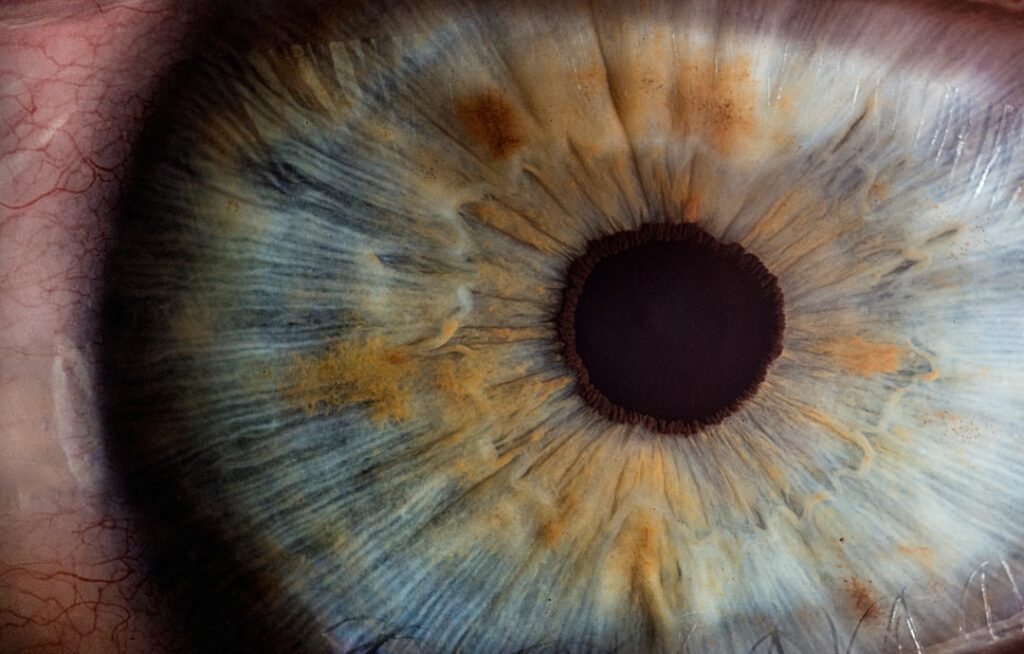
Can Diabetes Really Affect Eyesight?
Yes, diabetes can have a direct and sometimes significant impact on eyesight. For many residents of Kenosha, changes in blood sugar levels that come with diabetes can affect various structures of the eye, occasionally leading to temporary or lasting vision problems. The effects can be subtle and gradual, or, in some cases, noticeable and rapid, particularly when blood sugar is poorly controlled.
Which Eye Problems Are Linked to Diabetes?
Several eye conditions are more common in people with diabetes. The most well-known is diabetic retinopathy, but that’s not the only risk. Here’s how diabetes can affect different parts of the eye:
- Diabetic Retinopathy: High blood sugar can weaken or damage small blood vessels in the back of the eye (the retina). This damage can cause blurred vision, floaters, difficulty seeing at night, or even vision loss in advanced cases.
- Diabetic Macular Edema: Swelling in the central part of the retina (macula), which can lead to distortion or loss of central vision.
- Cataracts: While people of any age can develop cataracts, those living with diabetes are more likely to develop them earlier and more quickly.
- Glaucoma: This group of diseases, which damage the optic nerve, can be more common in people with diabetes.
Other less obvious symptoms may include episodes of double vision, inability to see colors as brightly, or frequent prescription changes for glasses.
How Does Blood Sugar Affect Vision Day-to-Day?
Short-term blood sugar spikes or drops may temporarily change vision. Local residents sometimes report that their eyesight changes noticeably depending on how well their diabetes is managed that week or even that day. Blurred vision is a common report after a period of high blood sugar, but vision often improves once blood sugar stabilizes.
This happens because blood sugar shifts can change the shape and flexibility of the lens inside the eye, affecting how light is focused. For example:
- After a spike in blood sugar, you might notice your vision worsening for a few days.
- Sudden improvement in blood sugar control can actually cause blurred vision as your eyes adjust.
Anyone who experiences vision changes that last more than a few days should talk to a medical provider to rule out other causes.
What Symptoms Should Local Residents Watch For?
Early diabetes-related eye problems might not cause any symptoms at all, which is why routine eye exams are especially important. However, some warning signs might appear, including:
- Blurred or fluctuating vision
- Spots, floaters, or flashes of light
- Difficulty reading or seeing at night
- Dark or empty patches in your field of vision
- Frequent changes in glasses prescription

Cold and windy seasons in the city can sometimes add to dry eye symptoms, which aren’t directly caused by diabetes but may seem worse when blood sugar is high.
Is Vision Loss from Diabetes Preventable?
Most serious eye complications from diabetes can be prevented or slowed down with early identification and proper management. Managing blood sugar, blood pressure, and cholesterol helps protect the eyes. Regular comprehensive dilated eye exams let providers spot changes before symptoms develop.
For area households, it’s worth knowing that keeping diabetes well-controlled throughout the year—especially during the busy winter holidays and summer festival seasons—can reduce risk. Even if vision seems stable, changes can develop slowly without noticeable symptoms right away.
How Do Local Environmental or Lifestyle Factors Matter?
Living in Kenosha, local features such as humidity changes, cold winters, and bright summer sunlight can influence comfort for people with existing eye problems. For instance, seasonal allergies might make dry eyes feel worse, which can confuse what’s related to diabetes and what isn’t. Glare from snow or bright lakefront days can make vision problems more noticeable for people with diabetic eye changes.
For those who spend more time outdoors or have jobs that involve driving in low-light conditions, diabetic vision changes may be noticed sooner. Using sunglasses and practicing good eye protection habits are useful measures for comfort and overall eye health, though they don’t replace medical diabetes management.
What Are Common Myths About Diabetes and Eyesight?
Some local residents may hear that only people who have had diabetes for many years are at risk for eye problems. The reality: even those with newly diagnosed diabetes can experience changes, especially if blood sugar has been high for some time without diagnosis.
Another misconception is that vision changes are always reversible with new glasses. In fact, some problems caused by diabetes—such as retinopathy or macular swelling—can’t be fully corrected with lenses alone. Proper disease management and early medical care are essential.
When Should Someone Seek Medical Help?
Anyone with diabetes who experiences sudden vision loss, flashing lights, or a curtain-like shadow across their vision should seek immediate evaluation, as these could signal urgent problems like retinal detachment or bleeding in the eye.
For less severe changes—like mild blurring, difficulty reading, or occasional floaters—keeping an eye on symptoms in a journal and discussing them at regular medical visits is a good practice. In the community, local residents benefit from being proactive, as addressing changes early often means better long-term outcomes for both eyesight and quality of life.