
 See My Latest Article on HelloNation
Why Early Eye Exams Matter for Children
Children’s vision is essential for learning, growth, and development. Vision problems can go undetected because children often don’t realize their sight isn’t “normal.” Early eye exams help identify and address issues before they affect learning, school readiness, or social interactions.
When Should a Child Have Their First Eye Exam?
Most children in Kenosha should have a comprehensive eye exam by an optometrist or ophthalmologist before their first birthday — ideally between 6 and 12 months old. This early check can catch congenital conditions, eye alignment problems, significant refractive errors, and other concerns. If the first exam is normal and there are no family risk factors, the next exam is generally recommended at age 3, then again before starting kindergarten.
What Does an Early Eye Exam Involve?
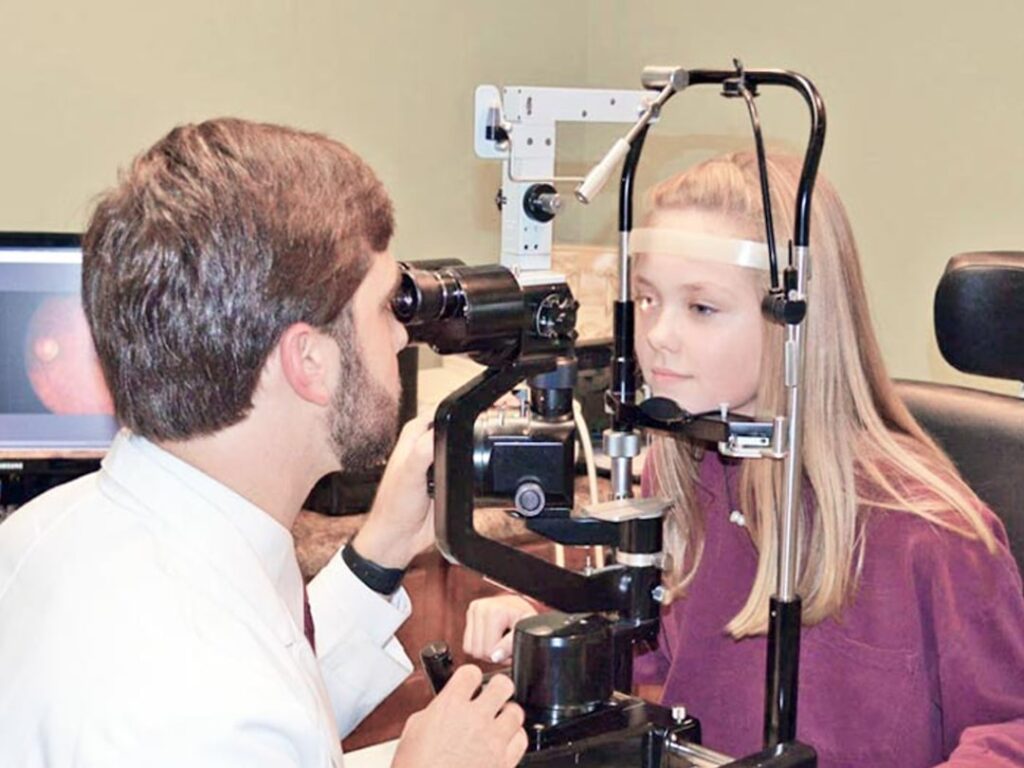
A typical pediatric eye exam is gentle and non-invasive. Depending on the age, the exam may include:
- Checking eye alignment (to rule out strabismus or “lazy eye”)
- Inspecting eye health and internal structures with specialized lights
- Assessing how the eyes move and track objects
- Using picture charts or age-appropriate tests to estimate visual acuity
- Dilating the pupils in some cases to get a better look at the retina and lens
Infants don’t need to be able to read letters — doctors use lights, toys, or cards with patterns to see how the eyes respond.
Why Not Wait Until School-Age Vision Screenings?
School or preschool vision screenings can identify some issues, but they’re not a substitute for a full exam. Screenings mainly test visual sharpness and can’t detect problems with eye coordination, internal health, or subtle refractive errors. Some eye conditions, like amblyopia, respond best to treatment before age 5. Waiting until formal schooling may delay necessary care.
What Signs Might Indicate an Earlier Exam Is Needed?
While all children benefit from early eye checks, some should have them even sooner or more often. Consider an early visit if:
- There’s a family history of serious eye conditions (e.g., childhood cataracts, strabismus)
- The child was born prematurely or had a difficult birth
- Parents or caregivers notice unusual eye movements, excessive tearing, drooping eyelids, or one eye wandering
- A pediatrician refers the child for specialist evaluation
Kenosha families who notice any of these signs should prioritize an eye exam regardless of age.
Are Eye Problems Common in Local Children?

Most children in the area do not have serious eye disorders, but issues like farsightedness, nearsightedness, and astigmatism are not unusual. Early detection matters because untreated problems can interfere with depth perception, hand-eye coordination, or learning. In a climate with seasonal indoor play and long school days, clear vision is especially important for academic and recreational activities.
How Does the Local Environment Influence Eye Health?
Life in Kenosha means children spend time both outdoors and indoors depending on the season. Ample outdoor activity is associated with lower rates of developing nearsightedness, but time spent indoors on screens or reading can contribute to eye strain. Households in the community may find that long winters and digital learning increase the need to monitor children’s screen habits and encourage regular breaks.
Are Vision Exams Covered or Supported Locally?
Some school-aged children in Kenosha may receive basic screenings through public schools, but comprehensive exams are separate. Wisconsin law requires basic screenings before kindergarten entry, but these do not replace professional eye care. Parents can check with local healthcare networks or insurance plans regarding coverage. For families facing cost concerns, discussing options with a pediatrician can help identify potential public health resources or state-supported programs.
Common Misconceptions About Pediatric Eye Care
A few misunderstandings about children’s vision persist:
- “If my child isn’t complaining, there’s no problem.” — Many children cannot describe vision issues or assume everyone sees as they do.
- “Passing a school screening means perfect vision.” — School checks are limited in scope.
- “Wearing glasses will weaken my child’s eyes.” — Glasses correct, not worsen, underlying issues.
- “There’s nothing that can be done if eye problems are found.” — Early intervention can make a major difference, especially in younger kids.
Keeping Vision on Track as Children Grow
After the first eye exam and during school years, regular checks ensure that eyesight keeps up with changing needs. Vision can change as children grow, so tracking eye health and visual development is part of routine well-child care. Remind children to report any changes in seeing the board, reading, or eye comfort, especially during periods of increased screen use or academic demands.