

 See My Latest Article on HelloNation
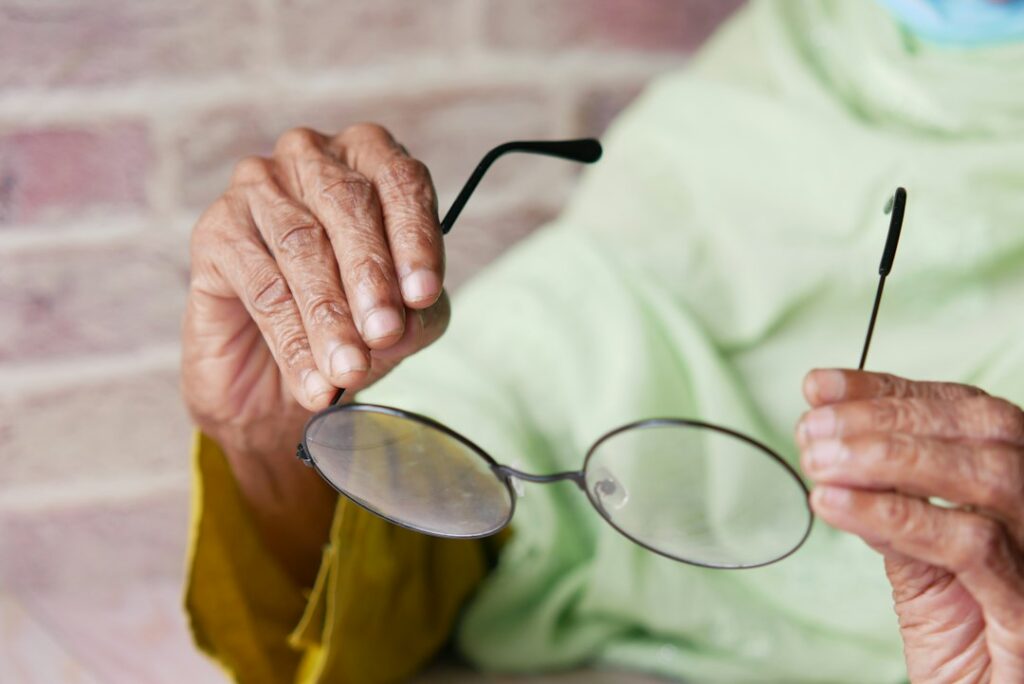
How does aging change the eyes?
Aging commonly affects focusing ability, lens clarity, tear production, light sensitivity, and the retina. Some changes are expected, such as needing more light to read, while others may signal cataracts, glaucoma, macular degeneration, or diabetic eye disease.
Normal aging does not automatically mean significant vision loss. However, the risk of eye disease increases with age, and several conditions can develop quietly before noticeable symptoms appear. Regular comprehensive eye examinations are valuable because early detection may help preserve vision. ([nei.nih.gov](https://www.nei.nih.gov/about/education-and-outreach/vision-and-aging-resources?utm_source=openai))
Why do many adults need reading glasses after age 40?
The most common age-related focusing change is presbyopia. The eye’s natural lens gradually becomes harder and less flexible, making it more difficult to focus on nearby objects. Presbyopia usually becomes noticeable after age 45.
Common signs include:
- Holding books, phones, or menus farther away
- Needing brighter light for reading or close work
- Eye fatigue after using a computer or reading
- Headaches during prolonged near tasks
- Difficulty switching focus between a dashboard and the road
Presbyopia is not the same as farsightedness, although the symptoms can overlap. Reading glasses, prescription lenses, or contact lenses may improve near vision. Presbyopia often progresses for several years and commonly becomes more stable after about age 65. ([nei.nih.gov](https://www.nei.nih.gov/eye-health-information/eye-conditions-and-diseases/presbyopia?utm_source=openai))
What causes cataracts as people get older?
A cataract is a cloudy area in the eye’s natural lens. With age, proteins within the lens can break down and clump together, gradually reducing clarity. Cataracts are extremely common among older adults; by age 80, more than half of Americans either have a cataract or have had cataract surgery. ([nei.nih.gov](https://www.nei.nih.gov/eye-health-information/eye-conditions-and-diseases/cataracts?utm_source=openai))
Cataracts may cause:
- Blurry, hazy, or faded vision
- Increased glare from headlights, snow, or bright lamps
- Halos around lights
- Difficulty seeing at night
- Colors appearing less vivid
- Frequent changes in glasses prescriptions
- Double vision in one eye
A cataract may begin without noticeable symptoms. When it starts interfering with reading, driving, recognizing faces, household tasks, or other activities, an eye surgeon may discuss whether lens-replacement surgery is appropriate. The decision is generally based on the effect on daily life rather than age alone.
Seasonal glare can be especially noticeable in a community where bright winter conditions, wet roads, and early evening darkness affect outdoor visibility. Sunglasses with ultraviolet protection and a brimmed hat can reduce glare and ultraviolet exposure, although they do not prevent every age-related eye condition.
Can aging increase the risk of glaucoma?
Yes. Glaucoma is a group of diseases that can damage the optic nerve, often involving pressure-related stress inside the eye. The most common form may progress slowly without pain, redness, or obvious early vision changes.
Over time, untreated glaucoma can reduce peripheral vision. People may begin bumping into objects, missing steps, or having difficulty seeing in dim settings, but many do not recognize the change until substantial damage has occurred. Vision lost from glaucoma usually cannot be restored, making early detection particularly important. Treatment may slow or stop further damage. ([nei.nih.gov](https://www.nei.nih.gov/eye-health-information?utm_source=openai))
Family history, diabetes, high blood pressure, and certain racial or ethnic backgrounds can affect risk. A comprehensive eye examination can evaluate the optic nerve, eye pressure, visual fields, and other structures.
What is age-related macular degeneration?
Age-related macular degeneration, often called AMD, affects the macula—the central part of the retina responsible for detailed vision. It can make reading, recognizing faces, sewing, or seeing road signs more difficult.
AMD may cause:
- Blurred or missing central vision
- Straight lines appearing wavy
- Trouble seeing fine detail
- A dim or blank area in the center of vision
- Increased difficulty adjusting between bright and dark settings
AMD does not usually cause complete blindness because side vision may remain, but it can significantly affect independence. Smoking, age, family history, and cardiovascular risk factors can contribute. Some people with intermediate AMD may benefit from specific AREDS2 supplements, but these formulas are not appropriate for everyone and should not be started without individualized medical guidance. They do not prevent AMD from beginning. ([nei.nih.gov](https://www.nei.nih.gov/eye-health-information/clinical-trials/age-related-eye-disease-studies-aredsareds2/about-areds-and-areds2?utm_source=openai))
How do diabetes and other health conditions affect vision?
Aging often occurs alongside health conditions that influence the eyes. Diabetes can damage retinal blood vessels, causing diabetic retinopathy. High blood pressure may also affect the retina and increase the risk of other vascular problems.

Keeping blood sugar, blood pressure, and cholesterol within recommended ranges supports eye health as well as overall health. People with diabetes may need retinal examinations at intervals determined by their medical and eye-care teams. A person can have diabetic eye disease before noticing any change in vision.
Dry eye also becomes more common with age. Changes in tear production, eyelid function, medications, indoor heating, and prolonged screen use may contribute to burning, scratchiness, fluctuating vision, or a gritty sensation. Winter heating and low indoor humidity can make these symptoms more noticeable in local homes.
When should an older adult seek urgent eye evaluation?
Sudden vision changes should not be attributed automatically to aging. Prompt evaluation is needed for:
- Sudden loss of vision in one or both eyes
- A curtain, veil, or shadow across the visual field
- A sudden increase in floaters or flashes of light
- New, severe eye pain with nausea or halos
- New double vision
- Sudden distortion or waviness of straight lines
- Significant redness with light sensitivity
- Vision changes following an eye injury
These symptoms may indicate retinal detachment, acute glaucoma, bleeding, inflammation, stroke-related problems, or other conditions where timing matters.
How can residents protect vision as they age?
A practical eye-health routine includes:
- Having comprehensive dilated eye examinations as recommended for age and risk factors
- Reporting new distortion, blind spots, flashes, or persistent blur
- Avoiding tobacco and limiting ultraviolet exposure
- Wearing protective eyewear for power tools, yard work, and home repairs
- Managing diabetes, blood pressure, and cholesterol
- Eating a varied diet that includes vegetables, fruit, whole grains, nuts, and fish
- Using adequate lighting on stairs, hallways, and reading areas
- Reducing trip hazards such as loose rugs and clutter
Vision impairment can increase fall risk, especially among adults over 65. Good lighting, updated prescriptions, balance exercises, and safer walking areas can help reduce preventable injuries in the home and community. ([cdc.gov](https://www.cdc.gov/vision-health/prevention/older-adult-falls.html?utm_source=openai))
The key distinction is simple: needing reading glasses or more light may be a normal part of aging, but progressive blur, missing vision, distortion, pain, or sudden change deserves medical attention. Early evaluation is especially useful because several age-related eye diseases are easier to manage before vision is permanently affected.