

 See My Latest Article on HelloNation
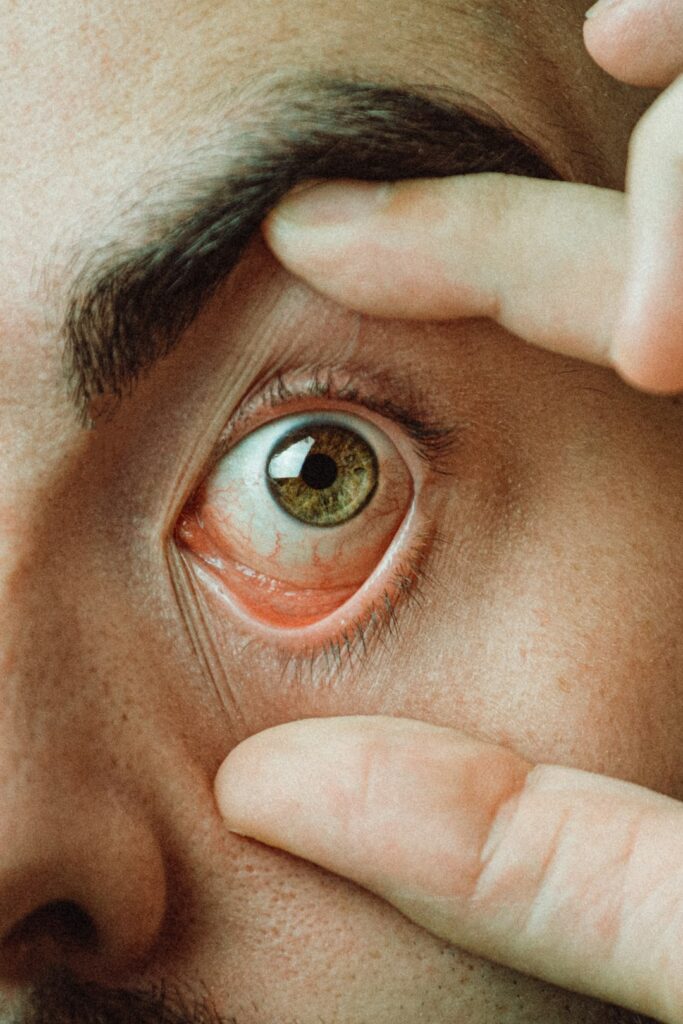
Eye rubbing is common, especially when the eyes feel itchy, dry, tired, or irritated. Occasional gentle contact is unlikely to cause lasting harm, but frequent or forceful rubbing can scratch the cornea, worsen inflammation, spread germs, and contribute to vision problems in people who are susceptible to corneal disease.
For residents of Kenosha, WI, seasonal changes can make this habit more noticeable. Cold, windy weather, indoor heating, dust, pollen, and prolonged screen use may all contribute to irritated eyes.
Why does rubbing the eyes feel relieving?
Rubbing briefly stimulates nerves around the eye and may create a temporary feeling of pressure or moisture. That can mask itching or dryness for a short time, but it does not correct the underlying problem.
The relief can also create a cycle:
1. The eye feels itchy or gritty.
2. Rubbing provides brief comfort.
3. Rubbing increases irritation or inflammation.
4. The eye feels even itchier, leading to more rubbing.
This cycle is particularly common with allergies, dry eye, eyelid inflammation, and exposure to smoke or airborne particles.
Can eye rubbing scratch the eye?
Yes. The cornea is the clear, delicate surface covering the front of the eye. A fingernail, dust particle, contact lens edge, or rough rubbing motion can cause a corneal abrasion, which is a scratch on that surface.
Possible symptoms include:
- Sharp or burning pain
- A gritty feeling, as if something is stuck in the eye
- Excessive tearing
- Redness
- Sensitivity to light
- Blurred vision
- Difficulty keeping the eye open
Rubbing after a scratch can make the injury worse. If something may be trapped in the eye, pressing on the eyelid is not a safe way to remove it. Blinking and rinsing with clean water or sterile saline may help, but persistent pain, light sensitivity, or vision changes require prompt medical evaluation.
Does rubbing cause keratoconus?
Repeated forceful rubbing is associated with keratoconus, a condition in which the cornea gradually becomes thinner and more cone-shaped. The altered shape can cause blurry or distorted vision, increasing nearsightedness, and astigmatism that changes over time.
Eye rubbing does not mean a person will definitely develop keratoconus. The condition also involves individual susceptibility and may occur more often in people with allergies or a family history of corneal disease. However, repeated rubbing may contribute to progression in someone who already has a vulnerable cornea.
Children and teenagers with chronic eye allergies deserve particular attention because they may rub frequently without realizing how forcefully they are doing it. Warning signs can include frequently changing glasses prescriptions, worsening astigmatism, frequent squinting, or vision that remains blurry despite updated glasses.
Can rubbing make allergies worse?
Yes. Rubbing can release more inflammatory substances in the tissues around the eye, making itching, redness, and swelling worse. It can also transfer pollen, pet particles, dust, and other irritants from the hands directly onto the eye.
During high-pollen periods, residents may notice more symptoms after time outdoors, yard work, open-window ventilation, or contact with clothing and hair that carry outdoor particles indoors. Washing hands and face after outdoor activities may help reduce the urge to touch the eyes.
Cool compresses over closed eyelids can provide relief from allergy-related itching. A healthcare professional or pharmacist can also help identify appropriate allergy treatments, particularly for children, people who wear contact lenses, or anyone with other eye conditions.
What if the eyes feel dry or tired?
Dryness is another common reason people rub their eyes. Dry eye can occur when the eyes do not produce enough tears or when tears evaporate too quickly. Symptoms may include burning, fluctuating vision, a sandy sensation, watering, and fatigue while reading or using screens.
Indoor heat during cold weather can lower humidity and increase evaporation from the eye’s surface. Fans, air vents, smoke, and long periods of screen use may add to the problem.
Instead of rubbing, try:
- Taking regular screen breaks and looking into the distance.
- Blinking fully and frequently during close work.
- Moving direct airflow away from the face.
- Using a clean, cool compress over closed eyelids.
- Drinking enough fluids and getting adequate sleep.
- Asking a healthcare professional about suitable lubricating eye drops if symptoms persist.

Not every red or dry eye should be treated with the same product. Some redness-relieving drops can cause rebound redness when used repeatedly, and contact lens wearers may need specific guidance.
Is it harmful to rub the eyes through closed eyelids?
Gentle contact through closed eyelids is generally less abrasive than rubbing an open eye, but forceful pressure can still irritate the cornea and surrounding tissues. Pressing on the eyes may temporarily change the shape of the cornea and can be especially unhelpful for people with keratoconus or other corneal conditions.
A better approach is to place a cool, clean cloth over closed eyelids without pressing. This may soothe itching or swelling while avoiding direct friction.
What should happen if something gets in the eye?
Do not rub. First, wash the hands and blink several times. If the object does not come out naturally, rinse the eye with clean water or sterile saline. Contact lenses should be removed if they can be taken out easily.
Avoid using tweezers, fingernails, cotton swabs, or other tools on the eye. If a sharp object, chemical, metal fragment, or substantial debris is involved, the eye needs urgent medical attention. Chemical exposure should be rinsed immediately with plenty of clean water while emergency guidance is sought.
When should eye rubbing be medically evaluated?
Occasional itching is usually not an emergency, but frequent rubbing deserves attention because it may signal an untreated problem. An eye examination is especially appropriate when symptoms include:
- New or worsening blurred vision
- Increasing light sensitivity
- Persistent pain or a foreign-body sensation
- Marked redness or swelling
- Discharge or eyelids stuck together
- Symptoms after an injury
- A rapidly changing glasses prescription
- Recurrent symptoms in a child
- Known keratoconus or a family history of the condition
The practical goal is not simply to stop rubbing through willpower. It is to identify why the eyes feel uncomfortable and address that cause safely. Reducing allergens, managing dryness, protecting the eyes from wind and debris, and treating eyelid irritation can make the habit much easier to break.