

 See My Latest Article on HelloNation
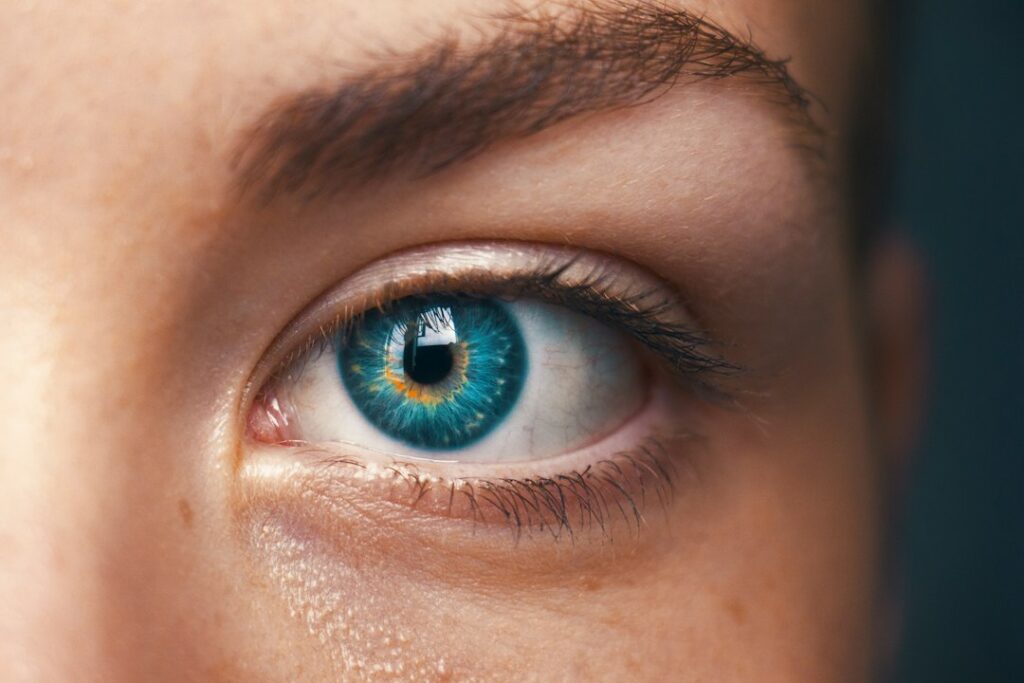
Contact lenses are generally safe when they are properly fitted, worn, cleaned, and replaced. They can damage the eyes, however, when poor habits allow bacteria, fungi, parasites, or debris to reach the cornea—the clear front surface of the eye.
Most contact lens problems begin with irritation or dryness. Some progress to corneal abrasions, inflammation, or serious infections that may threaten vision. Understanding the risks helps lens wearers recognize which symptoms can wait and which require prompt attention.
How can contact lenses harm the eyes?
Contact lenses rest directly on the cornea and can reduce the amount of oxygen reaching the eye. A lens that is worn too long, fits poorly, or becomes contaminated may irritate the cornea and create small areas of damage.
Possible complications include:
- Dry, gritty, burning, or tired eyes
- Redness and increased tearing
- Corneal scratches or abrasions
- Allergic reactions to lens materials or cleaning solutions
- Inflammation under the eyelids
- Bacterial, fungal, or parasitic eye infections
- Corneal ulcers, which are open sores caused most often by infection
A minor irritation may improve after removing a lens, but pain, light sensitivity, discharge, or blurred vision can indicate a more serious problem. The severity cannot be judged reliably by appearance alone.
Is it dangerous to sleep in contact lenses?
Sleeping in contact lenses increases the risk of eye infection, even if the lenses are labeled for extended wear. During sleep, the eye receives less oxygen and the lens can trap microorganisms against the cornea.
Napping can create the same problem. A person who falls asleep briefly while wearing lenses may wake with dryness or redness, but the risk is not limited to discomfort. Overnight wear has been associated with infections that can develop quickly and cause lasting corneal scarring.
Unless an eye care professional has specifically prescribed an overnight-wear schedule, lenses should be removed before sleeping or napping.
Can showering or swimming with contacts cause damage?
Yes. Water can carry microorganisms that are unsafe for the eye, even when the water looks clean or is safe to drink. Tap water, showers, pools, hot tubs, lakes, and other recreational water can contaminate lenses.
A particularly serious infection, Acanthamoeba keratitis, can occur when a waterborne organism enters the eye through a contact lens. It is uncommon but can be difficult to treat and may threaten vision.
Remove contact lenses before:
- Showering or bathing
- Swimming
- Entering a hot tub
- Participating in water activities where splashing is likely
Prescription swimming goggles or ordinary glasses may be more appropriate for water activities, depending on the individual’s vision needs.
What contact lens habits raise the risk of infection?
The most common problems are preventable. Risk increases when wearers:
- Handle lenses without washing and drying their hands
- Use saliva, tap water, or homemade saline to wet or clean lenses
- Reuse old solution or add fresh solution to solution already in the case
- Wear lenses beyond the recommended replacement schedule
- Continue wearing a damaged, torn, or visibly dirty lens
- Share lenses or storage cases
- Use expired lenses or solution
- Wear decorative lenses without a proper prescription and fitting
- Keep the same storage case for too long
Contact lens solution is not interchangeable with eye drops, and saline does not disinfect lenses. Hydrogen peroxide-based systems also require the correct neutralizing case and timing. Placing lenses directly into the eye before neutralization can cause intense burning and corneal injury.

How should contact lenses be cleaned and stored?
Care instructions depend on the lens type and the solution being used, but several principles apply broadly.
Wash hands with soap and water before touching lenses, then dry them completely. Clean and disinfect reusable lenses exactly as directed. Do not use water or saliva, and do not mix fresh solution with what is already in the case.
After removing reusable lenses, the case should be emptied, cleaned with contact lens solution as directed, and allowed to dry. Replace the case at least every three months, or sooner if the instructions for the particular product call for it.
Daily disposable lenses should be discarded after the recommended period of use. They should not be cleaned and worn again the next day. Reusing them can increase deposits, contamination, and irritation.
A backup pair of glasses is useful when the eyes become uncomfortable or when lenses must be removed unexpectedly.
Can Kenosha weather make contact lens discomfort worse?
Seasonal conditions can contribute to dryness without necessarily causing permanent damage. Cold outdoor air, indoor heating during winter, wind, and low humidity may increase tear evaporation. Summer activities involving pools, lakes, and hot tubs create a different concern: exposure to contaminated water.
Dryness may cause lenses to feel scratchy or shift during blinking. Rather than adding random eye drops or continuing to wear uncomfortable lenses, remove them and follow the care instructions provided for that lens. Only use eye drops labeled as compatible with contact lenses unless a medical professional has recommended something different.
Persistent dryness may also reflect an ill-fitting lens, an underlying eyelid or tear-film problem, allergy, medication effect, or excessive wearing time.
When should contact lenses be removed immediately?
Remove the lenses promptly if there is:
- Eye pain or increasing discomfort
- New or worsening redness
- Blurred or reduced vision
- Unusual sensitivity to light
- Significant tearing or discharge
- Swelling
- A gritty sensation that does not improve
- Burning or itching that continues after removal
Do not put the lenses back in to “see whether the problem clears.” Keep reusable lenses in their case rather than throwing them away, because they may help identify the cause of the problem. Seek prompt eye care, particularly if pain, blurred vision, light sensitivity, or discharge is present.
A red eye in a contact lens wearer deserves more caution than ordinary irritation. Corneal infections can worsen rapidly, and early treatment may help prevent scarring or vision loss.
Are decorative contact lenses safe?
Decorative or colored lenses can damage the eyes when they are purchased without a prescription or used without proper fitting. A lens that does not match the eye’s shape may rub the cornea, limit oxygen, or move unpredictably.
Cosmetic lenses should be treated like medical devices. They require a current prescription, proper measurements, and instructions for wearing and cleaning. Sharing them is unsafe because lenses are fitted to one person’s eyes and can transfer microorganisms.
Good hygiene does not eliminate every possible complication, but it substantially lowers avoidable risk. The safest routine is simple: wash and dry hands, keep lenses away from water, follow the replacement schedule, never sleep in them unless specifically directed, and remove them at the first sign of pain or vision change.